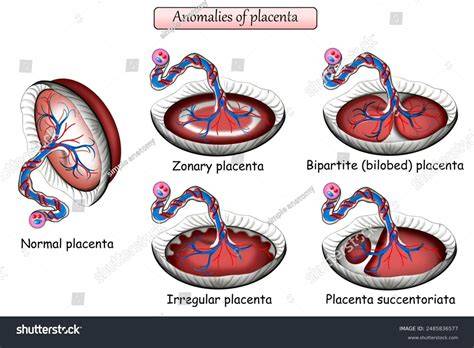
Placenta circumvallata je zriedkavá morfologická abnormalita placenty, pri ktorej sa amnion a choriové membrány prehnú dozadu okolo okrajov placenty a vytvoria zdvihnutý prstenec. V circumvallate placenta je chorionická platňa, ktorá tvorí fetálny povrch placenty, menšia než bazálna platňa, ktorá tvorí materinský povrch placenty. V dôsledku toho dochádza k elevácii okraja placenty a k vzniku prstencového vzhľadu. Fetálny povrch je rozdelený na centrálnu preliačenú zónu obklopenú zhrubnutým bielym prstencom, ktorý je nekompletný.
Tento stav má veľmi málo špecifických symptómov, čo sťažuje prenatálnu diagnostiku, no môže zvyšovať riziko niektorých komplikácií vrátane predčasného pôrodu, abrupcie placenty, oligohydramnia či častejšieho vaginálneho krvácania počas tehotenstva. Niekedy môže lekár zistiť circumvallate placentu počas tehotenstva pomocou ultrazvuku. V iných prípadoch sa circumvallate placenta identifikuje až pri pôrode a vyšetrení placenty.
Čo je placenta circumvallata a ako vzniká
V circumvallate placenta, membrány sa často stávajú zadržanými v dôsledku marginálneho infarktu, krvácania alebo ukladania fibrínu. To vedie k zmenšeniu veľkosti chorionickej platne placenty, čo ďalej spôsobuje, že membrány na fetálnej strane sa prehnú späť na seba. Tento hrubý prstenec membrán je tvorený dvojitým záhybom amnia a choria s degenerovanou decidua vera a fibrínom medzi nimi.
Placenta je prechodný orgán vyvinutý počas tehotenstva, ktorý sprostredkuje výmenu živín, plynov a odpadových produktov medzi matkou a vyvíjajúcim sa plodom. V normálnej placente existuje hladký prechod z parenchymálneho klkového choria na membranózne chorio na hranici placentárnej platne. V circumvallate placenta sa normálna výmena môže znižovať, čo môže obmedziť rast plodu a vyvolať sprievodné komplikácie.
Príznaky a klinické znaky
Circumvallate placenta nie vždy vyvoláva sprievodné príznaky počas tehotenstva, čo robí diagnostiku circumvallate placenty u asymptomatických matiek mimoriadne náročnou. A circumvallate placenta does not always cause symptoms during pregnancy. However, a doctor may be able to notice some signs that a woman has a circumvallate placenta.
- Vaginálne krvácanie: A circumvallate placenta can increase the risk of frequent vaginal bleeding during the first trimester of pregnancy. A study involving 92 women with a circumvallate placenta found that the incidence of vaginal bleeding was higher in these women than in those in the control group during all three trimesters.
- Predčasný odtok plodovej vody (PROM/PPROM): PROM occurs when the amniotic sac breaks before the onset of labor. PROM itself has many causes and risk factors. However, if a woman experiences PROM alongside vaginal bleeding in the second trimester, she may have a circumvallate placenta.
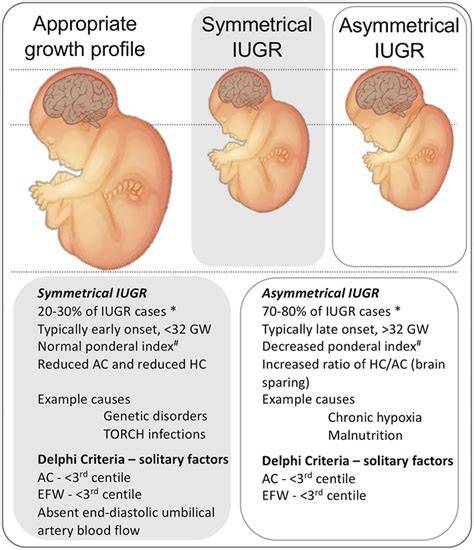
- Inhibovaný rast plodu (IUGR): Intrauterine restricted growth. A fetus may grow more slowly in a woman with a circumvallate placenta.
- Oligohydramnión: Insufficiency of proper volumes of amniotic fluid, a condition called oligohydramnios, can also occur as a result of a circumvallate placenta.
Since a portion of the placenta tends to become exposed in a circumvallate placenta, due to the reduced size of the chorionic plate, vaginal bleeding is more likely to occur at this site of exposure. Likewise, inhibited fetal growth can also ensue due to the decreased exchange of nutrients and waste between mother and fetus, since the fetus is unable to sustain necessary nutritional demands for proper fetal development.
Riziká a možné komplikácie
Circumvallate placenta can increase the risk of associated complications such as preterm delivery and placental abruption. Placenta abruption, in which the placenta divides from the wall of the uterus prior to birth, can have severe outcomes for a mother and her baby. Such consequences include vaginal bleeding, decreased birth weight, preterm delivery, and stillbirth.
In addition, these “folds” can increase the risk of several complications, both before and after delivery. Decreased birth weight is a major concern associated with circumvallate placenta. Infants born with birth weights that are lower than expected per their gestational age oftentimes end up requiring extra support in the neonatal intensive care unit (NICU).
V niektorých súboroch boli popísané závažné výsledky: Preterm delivery: Early delivery affected 64.1% of the women. Placental abruption affected 10.9% of the women. Increased risk of neonatal death: Neonatal death occurred in 8.9% of cases. Increased risk of needing neonatal intensive care unit admission: Of the infants born in the study, 55.4% required neonatal intensive care. Chronic lung disease affected the infants belonging to 33.9% of those in the study. Emergency cesarean delivery was necessary in 46.5% of cases.
While some evidence suggests that a circumvallate placenta can increase the risk of complication during pregnancy, other research suggests this increased risk is marginal. The results showed that in 268 matched cases, no significant difference existed between the individuals regarding lower birth weight, preterm delivery placental abruption, or other issues.
Diagnostika
Physicians may be able to detect a circumvallate placenta during pregnancy by using an ultrasound. On ultrasound, a normal placenta should appear complete and uniform, with the fetal surface of the placenta appearing slightly shiny and translucent. The appearance of a circumvallate placenta on ultrasound may present with irregular edges, uplifted margins, or placental sheets.
In a study conducted in 1994, 62 healthy pregnant women were examined with placental sonography for detection of circumvallate placenta. The accurate diagnosis of circumvallate placenta during pregnancy can have significant implications in the recognition of patients who are at risk of complications. However, a woman typically has several routine ultrasounds during pregnancy, and a doctor may notice the condition during these scans. In other cases, a circumvallate placenta is not identified until delivery of the baby.
Diferenciálne súvislosti: placentárna insuficiencia
Placenta je orgán, ktorý sa vyvíja v maternici, keď sú ženy tehotné. Niekedy nerastie tak, ako musí, alebo sa môže zraniť. Výsledkom môže byť zdravotný stav známy ako placentárna nedostatočnosť. Keď placenta nefunguje dobre, nemôže dodávať dostatok kyslíka a živín dieťaťu z krvného obehu matky. Bez tejto základnej podpory dieťa nemôže rásť a prosperovať.
Placentárna insuficiencia je náročná na identifikáciu, najmä pri prvom tehotenstve. Vo všeobecnosti existuje len málo alebo žiadne príznaky, ktoré súvisia s placentárnou insuficienciou. Včasná detekcia je nevyhnutná pri zvládaní placentárnej insuficiencie. Lekár môže vykonať testy na zistenie placentárnej nedostatočnosti.
Manažment a „liečba“ komplikácií
There’s no way to repair the placenta. Instead, treatment for circumvallate placenta is aimed at managing the complications of the condition. Although there is no cure or specific treatment for restoration of the circumvallate placenta, there are ways to decrease the risks of possible complications prior to birth or attempt to manage complications if they develop.
Abrupcia placenty
- If you develop placental abruption, you may be given IV fluids to help increase your blood pressure.
- If you lose a large amount of blood you may require a blood transfusion, which will also be given through an IV.
- If your blood loss is severe or your estimated due date is close, then immediate delivery of your baby might be suggested.
- If you or your baby’s life is at risk or your bleeding is heavy, your doctors may feel that an emergency C-section is necessary.
IUGR (obmedzený vnútromaternicový rast)
- This complication is not so much treated, but managed. Your doctors will want to put in place a lot of extra monitoring to check on how your baby is developing.
- Doctors may see the need to deliver early.
- Mothers are advised to: eat a well-balanced, nutritious diet, get plenty of rest, adopt healthy lifestyle habits, stop smoking or using tobacco products.
Oligohydramnión
- This condition requires more frequent monitoring. A treatment called amnioinfusion places fluid in the amniotic sac to replace the lost fluid.
- This treatment may help to prevent underdeveloped lungs or compression of the cord at delivery, though more research is needed.
- Delivery of the baby may be suggested, but in these cases, it’s always necessary to weigh the risks of inducing labor versus the risks of leaving the baby in utero.
Predčasná pôrodná činnosť
- If you go into premature labor, bed rest and possible admission to the hospital may be advised.
- IV fluids may be offered as well as medication to help relax your uterus and stop labor.
How is circumvallate placenta (placenta circumvallata) diagnosed with ultrasound during pregnancy.
Monitorovanie tehotenstva s circumvallate placentou
To assist in the monitoring of appropriate fetal growth, a physician may recommend more frequent growth checks during pregnancy if circumvallate placenta is suspected. If diagnosed with a circumvallate placenta, consistent fetal monitoring by a licensed physician can help to prevent and/or reduce the effects of associated complications that may occur. Thorough and frequent check-ups can also help us spot whether an early delivery may be necessary.
Many pregnancies with this condition progress into a natural vaginal delivery without significant issues. Not every case of circumvallate placenta leads to complications. A vaginal delivery will usually be possible, but a cesarean section might be the best option if the baby is not tolerating labor.
Rizikové faktory a prevencia
Unfortunately, there is no known cause of circumvallate placenta and no major preventative measures that can be taken to minimize the risk of developing a circumvallate placenta. Circumvallate placenta is not a genetic disorder. With no definite cause, we also can’t talk with any certainty about preventing circumvallate placenta. Even with the best prenatal care and healthy lifestyle practices, some conditions, including circumvallate placenta, may still occur.
High-risk pregnancies are described as pregnancies in which a mother, the fetus, or both are put at a higher risk for developing pregnancy complications before, during, or after birth. Advanced maternal age, considered to be when a woman enters pregnancy at age 35 or above, has also been linked to increased risk of maternal mortality, preeclampsia, restricted fetal growth, fetal distress, and a variety of other pregnancy complications. Substance use in pregnancy is concerning because of its alarming association with other risk factors, such as mental illness.
Prehľad najčastejších komplikácií a zásahov
| Komplikácia | Typické prejavy | Odporúčaný manažment |
|---|---|---|
| Vaginálne krvácanie | Častejšie v 1.-3. trimestri | Vyšetrenie, sledovanie, zvažovať hospitalizáciu pri silnom krvácaní |
| PPROM/PROM | Predčasné prasknutie vakov | Časté kontroly, antibiotiká podľa stavu, zváženie indukcie/CS |
| IUGR | Zaostávanie rastu plodu | Častejšie biometre, nutričné odporúčania, skorší pôrod podľa CTG/USG |
| Oligohydramnión | Nízky objem plodovej vody | Amnioinfúzia, intenzívny dohľad, zváženie skorého pôrodu |
| Abrupcia placenty | Bolesť, krvácanie, ohrozenie plodu | IV tekutiny, transfúzia, urgentný pôrod, často cisársky rez |
Príklady z klinickej praxe
A case study reported in 2020 observed the correlation between circumvallate placenta and the occurrence of obstetric complications such as battledore insertion. Upon examining the placenta after delivery, it was noted that the placenta demonstrated the appearance of a circumvallate placenta, and also showed evidence of abnormal umbilical cord insertion into the placenta. Restriction of umbilical cord blood flow from the placenta to the fetus and placental abnormalities like circumvallate placenta may work in conjunction to generate fetal distress.
In a separate case study reported in 2017, a woman at about 35 weeks of gestation presented with preeclampsia and intrauterine fetal demise. After delivery of the stillborn fetus, examination of the placenta revealed a circumvallate placenta with battledore insertion of the umbilical cord. Thus, it is highly recommended that if placental or umbilical cord abnormalities, such as circumvallate placental and battledore insertion, are suspected or detected prior to birth, that the pregnancy should be considered high-risk.
Čo môžu urobiť budúce matky
Mothers are advised to: eat a well-balanced, nutritious diet, get plenty of rest, adopt healthy lifestyle habits, stop smoking or using tobacco products. Proper medical care and monitoring are, therefore, essential to help minimize the risk of complications. To help monitor this, a doctor may recommend more growth checks using ultrasound.
Once diagnosed, prompt action and access to the best available technology can help us land a safe delivery, with a healthy baby and a happy mom in tow. While some evidence suggests that a circumvallate placenta can increase the risk of complication during pregnancy, other research suggests this increased risk is marginal.
Circumvallate placenta is a rare condition that occurs when the amnion and chorion fetal membranes of the placenta fold backward around the edges of the placenta. It is a rare condition, affecting about 1-2% of pregnancies. Not every case of circumvallate placenta leads to complications.

Zhrnutie kľúčových faktov pre prax
- Circumvallate placenta je zriedkavá (1-2 %) a často asymptomatická počas gravidity.
- Ultrazvuk môže odhaliť zdvihnuté okraje a nepravidelné kontúry; definitívne rozpoznanie býva niekedy až po pôrode.
- Najčastejšie asociované javy: vaginálne krvácanie, PROM/PPROM, IUGR, oligohydramnión, vyššie riziko abrupcie a predčasného pôrodu.
- Neexistuje kuratívna liečba; cieľom je manažment komplikácií: monitorovanie rastu, CTG/USG dohľad, amnioinfúzia, úprava životného štýlu, včasné ukončenie gravidity pri ohrození.
- Časť tehotenstiev napriek diagnóze prebieha bez závažných komplikácií a je možný vaginálny pôrod.
How is circumvallate placenta (placenta circumvallata) diagnosed with ultrasound during pregnancy.
tags: #placenta #circumvallata #slovensko